Research
Possible Career Paths
1). Actor
- An actor uses speech, movement and expression to convey meaning in TV, radio, film or theatre.
- I can become an actor through a university course
- I would research roles, learn lines, rehearse lines, attend fittings for costumes, prepare and go to auditions, contact actors’ agents to find the next job.
- I would work in a theatre, on a film set or in a studio and work away from home.
2). Screenwriter
- A screenwriter writes and develops screenplays for film or TV drama
- They collaborates with actors, directors and producers, working to tight deadlines
- They create several drafts of a script.
- They may be commissioned to create a screenplay by a studio
- They may work with other screenwriters
- They understand the features of a great screenplay
- They can write well and creatively
- They have a knowledge of different genres
- They have a passion for TV & Film
- They contact employers
3). Director
- Directors are the creative leads of a film or TV drama
- They're employed by the producer, who is in charge and they work with the screenwriter
- They imagine the script in visual form
- They work with producers and casting directors to select performers and rehearse with them, choreographing their movements and how they deliver their dialogue.
- They lead the editing of the film
- They may be employed by TV broadcasters, film production companies or they work on a freelance basis.
- They have good leadership skills
- They have good imagination
- They have a passion for TV & Film
- They understand the process of TV & Film production
- They work methodically in a high-stress environment
Showreels I have looked at for each career
1). Actor
2). Screenwriter
3). Director
My Dream Job - Assistant Director
- An assistant director works closely with the director as their "right-hand man".
- The day to day tasks include planning the filming schedule and working with the director to ensure the shoot goes smoothly.
- The qualifications I would need for this job would be a Level 3 qualification in film. A degree isn't essential.
- The pay for this job can vary
Situation
- Set the scene. Context & Background details. Where?
"So I'm currently studying for a Level 3 Extended Diploma in Creative Media Production and Technology at the College of West Anglia in Kings Lynn. At our college, we have our own in-house production company called Springboard TV, who have provided me with several work experience placements as a camera operator on various different projects including a documentary for an art festival called the 11th Hour in Kings Lynn in 2019. Also, they have a TV studio which I have used to create several of my own projects such as a music video and a short film.
Task
- My role in the situation. I was...rather than the team.
"During a lot of my projects, I've taken on roles in production such as writer and producer. For example, for my most recent project, which was a short film called Your Lover's Secrets, I conducted research into topics such as infidelity, domestic violence, infertility and alcoholism before writing my script."
Action
- Highlight your response. I did...
- Showing skills
- Avoid acronyms
- How I assessed the task
- How I addressed the team
- Communication?
"During the production of Your Lover's Secrets, my most recent project, I made sure I chose members of the team for roles that I felt were their strengths so for example, for a cameraman, I knew one member of the team was more skilled behind the camera than in front so that led me to employ them as a camera operator."
Result
- Positive
- What did I learn?
- Next time therefore, this is how I will work/how I have improved
- Quantifying the result
"There was one occasion when I was filming for the 11th Hour Art Festival that I mentioned earlier where I didn't have another SD card for the camera I was using as all the SD cards we had were in other cameras. Although we managed to retrieve an SD card for the camera we were using, I learnt that I should always carry a back up battery or SD card for a camera."
What do you think you will learn at this uni?
What do you think you will learn at this uni?
S.T.A.R Answers
Give an example of a strength you've displayed relating to directing
Recently, I was working on a short film called Your Lover's Secrets. I was the director of this film so therefore it was my job to ensure that each production shoot went well, to choreograph the movements of the cast and crew and to maintain order on the studio floor. During the production of the film, I worked with a large team so therefore it was essential I showed strong skills of teamwork in this scenario because for example, there was an occasion when scenes that we had shot during one shoot had no sound and we had run out of time in the studio so therefore, I had to arrange to have more time in the studio and more time with my cast. The result of working with a large group allowed me to dedicate certain roles such as camera operator and actor to certain people based on their strengths.
What skills can you bring to the company?
A lot of the projects I've worked on have required me to show good teamwork skills. During the production of Your Lover's Secrets, I learnt how to work with a cast and a crew effectively as a director by giving them advance notice of shoots as well as giving them notes on their characters to increase the authenticity of their acting. I believe that working closely with a team helps to contribute to the success of a production shoot.
What skills can you bring to the company?
A lot of the projects I've worked on have required me to show good teamwork skills. During the production of Your Lover's Secrets, I learnt how to work with a cast and a crew effectively as a director by giving them advance notice of shoots as well as giving them notes on their characters to increase the authenticity of their acting. I believe that working closely with a team helps to contribute to the success of a production shoot.
Where do you see yourself in 5 years time?
I would like to use this post as a stepping stone to more senior roles within your company such as a director or producer, working on my own TV shows and films. For the past few years, I have worked as a floor runner for other people's TV shows, which requires me to take care of cast and crew and run errands so from here, I would like to use my passion for the industry to progress into more senior roles and be able to do what I want to do within the industry.
:max_bytes(150000):strip_icc()/2061569v1-5b9c1ab34cedfd0025fcaa2f.png)

Pros
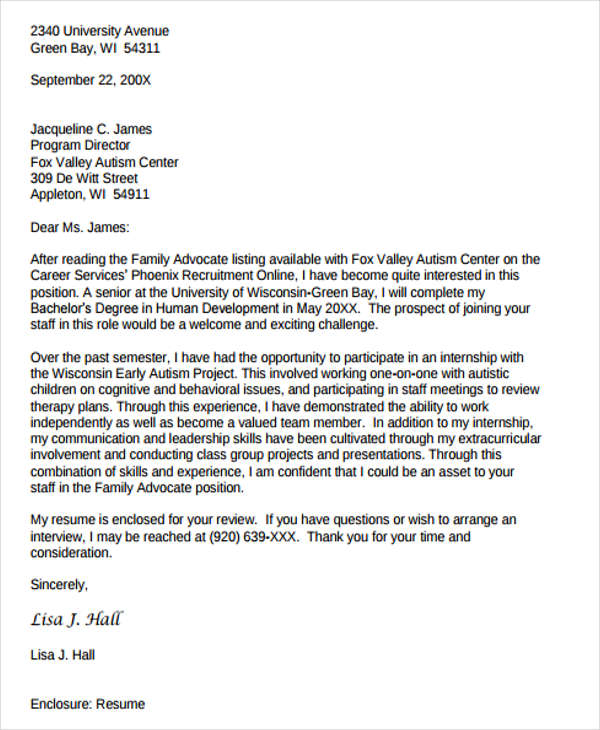
Cover Letter
- Use ceremonious language
- Who are you writing to? = dignitaries, authorities, colleagues, friends & family
- Top right: name, sender address, date
- Top left: name, receiver's address
- Greeting: Dear sir/madam or Mr.../Ms...
- Paragraph 1: Subject purpose of letter
- Paragraph 2: Body main content, what it is you want and about me.
- Paragraph 3: Close Yours Faithfully (signature) Jack Palmer
Examples
Using your phone at work
- Shows trust
- Boosts the mood of the employees
- Branding of a company
- Personal development = LinkedIn
Cons
- Misuse of social media = time wasted
- Viruses (buzz (risk))
- Social media fails
- The internet never forgets
- Malicious intent - ILLEGAL
- Trolling, ranting, racism
Phone skills in the workplace
- Positive Tone (smile)
- Clear enunciation
- Be sincere (say company's name, my name, how can I help you?)
- Use their name
- Leave them satisfied (enjoy the rest of the day)
Well done today with your mock I/V. Analyse your feedback and analyse your I/V... Use Rolfe et al model from 2019... What, So What, Now What. (in your evaluation page)
ReplyDeleteWrite a little bit about your interview, reflect on it as well. you don't have your three s.t.a.r. situations, don't forget to make them lengthy.
ReplyDeleteGreat showing examples... We discussed perhaps a radio production company... develop your formal letter to work their for experience whilst you are studying at University.
ReplyDeleteSee production page
Delete